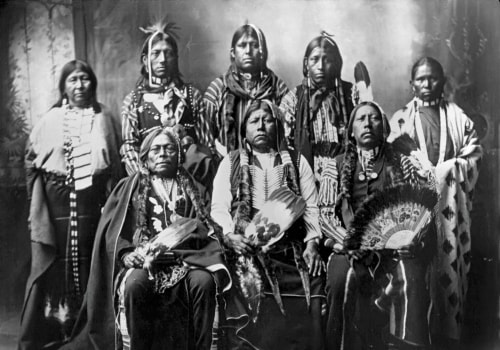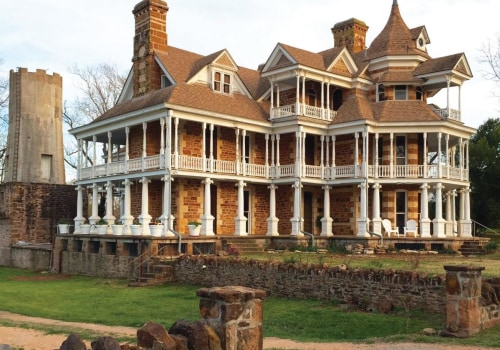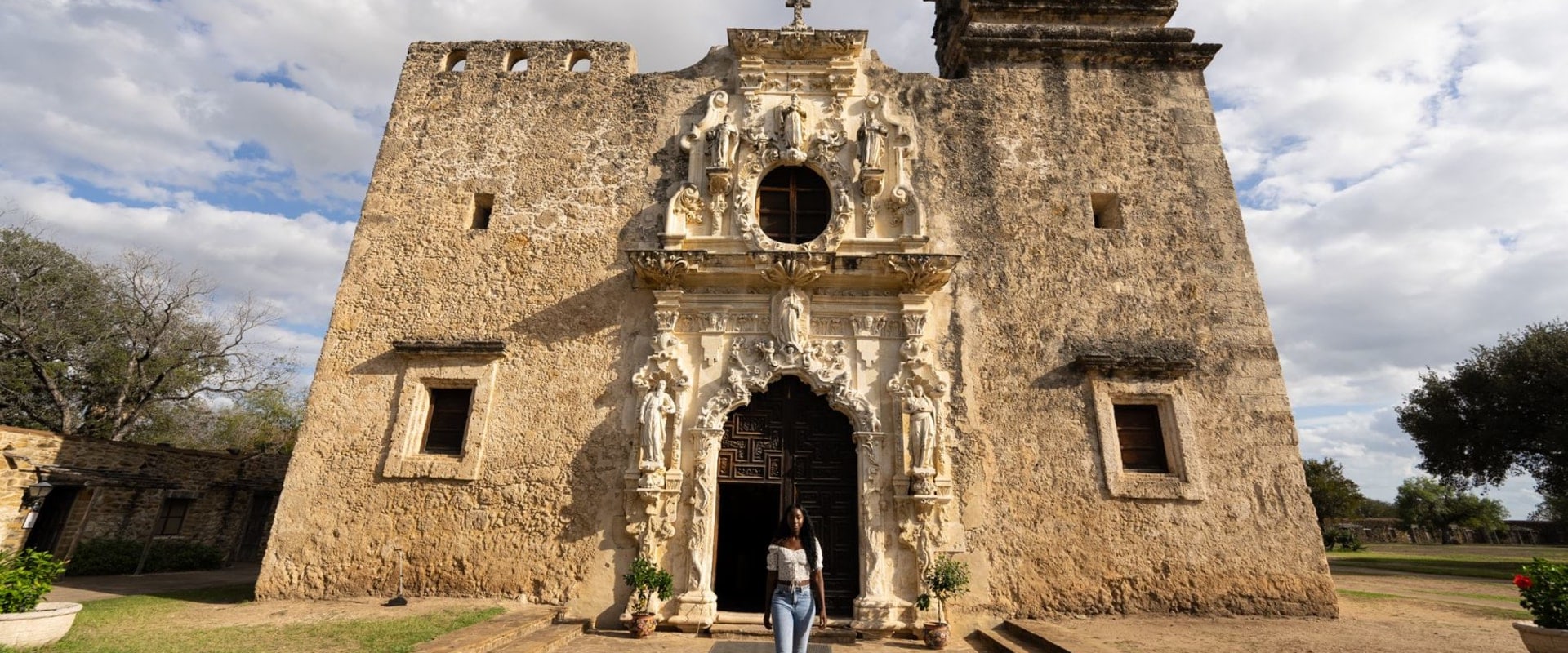
Central Texas is home to a rich blend of cultural traditions, historical landmarks, Indigenous influences, early settlement history, music heritage, and community stories that continue shaping the region’s identity today. Museums, archives, historical societies, and cultural centers throughout the area play an important role in preserving these materials for future generations. As populations grow and institutions expand, many museums and archives eventually face the need to relocate collections, renovate facilities, or transfer exhibits into larger and more modern spaces. These relocation projects involve far more than standard transportation logistics because the items being moved often carry deep historical, educational, and emotional significance. Artifacts, photographs, manuscripts, historical furniture, artwork, and archival records may represent decades or even centuries of Central Texas history, making preservation and careful handling top priorities throughout the relocation process. Every stage of the move must be approached with precision because even minor damage can result in the loss of irreplaceable cultural materials.
Why Museum and Archive Relocations Are So Complex
Museum and archive relocation projects are highly specialized because many collections contain fragile, oversized, temperature-sensitive, or historically valuable items that require customized transportation and storage methods. Historical documents may need climate-controlled packaging to protect against humidity and heat, while artwork and antique furniture often require padded crates and secure handling procedures during transport. Some museums also contain interactive exhibits, lighting systems, display cases, and delicate technology that must be carefully dismantled and reassembled in the new location. In Central Texas, where older buildings and rapidly developing urban areas often create access limitations, moving these collections can become even more challenging. Tight hallways, loading restrictions, and preservation requirements all add additional layers of complexity to relocation planning. Institutions frequently spend months organizing inventories, documenting item conditions, and coordinating specialized transportation schedules to ensure collections arrive safely without disruption to long-term preservation efforts.
Cultural Preservation Influences Every Stage of the Move
Unlike ordinary commercial relocations, museum and archive projects are deeply influenced by the cultural value attached to the collections being transported. Historical artifacts connected to local communities, Indigenous cultures, military history, ranching heritage, music traditions, or early settlement records often require extra levels of care because of their importance to regional identity. Institutions may work closely with historians, archivists, conservators, and community representatives throughout the relocation process to ensure materials are protected properly and relocated respectfully. Some projects also involve temporary storage solutions while renovations or new exhibit spaces are being completed. During these transitions, transportation teams must maintain careful organization and secure handling procedures to preserve both physical condition and historical integrity. Trusted companies such as Mountain Movers may assist with the transportation of large display materials, archival shelving, exhibit infrastructure, and specialized museum equipment while helping institutions manage complex relocation schedules more efficiently.
Central Texas Growth Continues Driving Relocation Projects
As Central Texas continues growing, many museums and historical organizations are expanding their facilities to accommodate larger collections, increased tourism, and evolving educational programs. Renovations and relocations allow institutions to modernize preservation systems, improve exhibit accessibility, and create more engaging public experiences. However, the movement of historical collections remains one of the most delicate aspects of these projects because every item carries unique cultural significance that cannot easily be replaced. Successful relocations depend heavily on detailed planning, specialized transportation methods, inventory tracking, and secure storage coordination behind the scenes. Although visitors may eventually see only the finished exhibits in a newly renovated space, the relocation process itself involves months of preparation designed to protect Central Texas history during every stage of the move. In many ways, transportation and logistics have become an essential part of preserving cultural heritage while helping museums and archives continue sharing important historical stories with future generations.